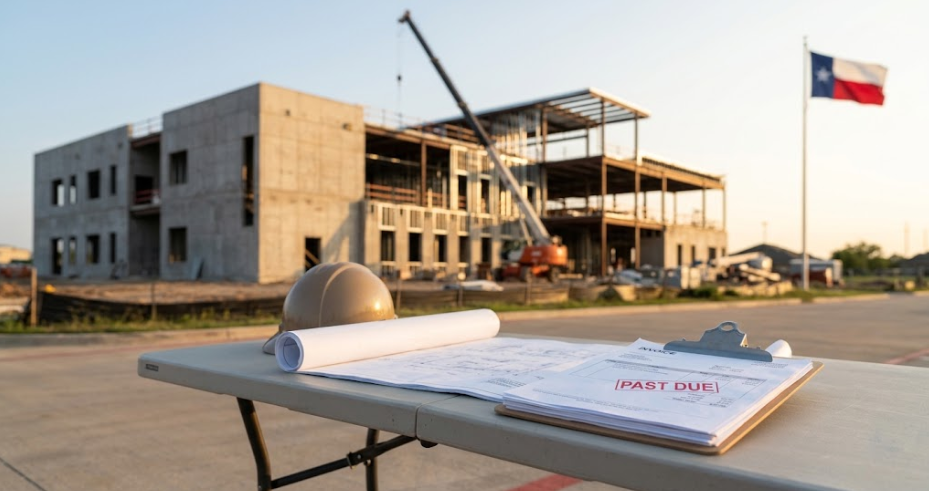


If a general contractor hasn’t paid your invoice, the fastest path to payment is a clear escalation plan: a firm follow-up call after 30 to 45 days, a written intent to lien letter if payment still hasn’t arrived, a properly filed mechanic’s lien within your state’s deadline, and, if necessary, a lawsuit to foreclose on that lien. Subcontractors who follow this sequence, and follow it on time, collect payment far more often than those who wait and hope.
Here’s the escalation timeline at a glance:
Payment delays can jeopardize the financial health of subcontractors and suppliers, leading to stress and cash flow issues. The good news is that construction law gives subcontractors tools to force payment, but those tools come with strict deadlines. Miss one, and you can lose your right to use it. This guide walks you through the steps you can take when dealing with a general contractor who hasn’t paid your invoice.
The best way to prevent payment issues is to be proactive, before the first invoice ever goes unpaid. A well-defined collection strategy eliminates uncertainty and ensures you have a plan to follow if problems arise. Ideally, this strategy should outline steps to take once an invoice becomes overdue and include clear timelines for action.
A proactive approach ensures two things:
Your strategy doesn’t need to be complex, but it should be consistent. Whether it’s as simple as weekly follow-up calls or a formal escalation process, sticking to a plan increases the probability of receiving payment.
Once an invoice is 30 to 45 days overdue, it’s time to start making phone calls. Directly contacting the general contractor can often clarify whether the delay is an honest oversight or something more serious. During these conversations:
For example, you could say, “I understand there may be processing delays, but I do need payment by XX date to keep things on track. If that doesn’t happen, the next step will be sending an intent to lien notice in compliance with state requirements.”
Keeping the conversation professional and non-confrontational while emphasizing your payment expectations lays the foundation for further escalation if the contractor still doesn’t pay your invoice.
If your invoice is still unpaid by the deadline established during your follow-ups (typically no more than 60 to 75 days after the invoice date), send a written intent to lien letter. Our mechanic’s liens attorneys draft these notices to make sure they meet your state’s specific requirements, since a technical error at this stage can undermine your lien rights later.
The intent to lien letter serves as a formal warning to the general contractor that you will notify the project owner of The intent to lien letter serves as a formal warning to the general contractor that you will notify the project owner of nonpayment if the issue isn’t resolved. While not all states require an intent to lien, this step has several benefits:
Send this letter sooner rather than later. The longer unpaid invoices sit, the more competing priorities push your claim down the list, and the less leverage you have. Remember, there’s no penalty for sending a notice even if your state doesn’t mandate it.
If you still haven’t gotten paid 15 to 30 days after your intent to lien notice, it’s time to file a lien. A mechanic’s lien places a legal claim on the property where the work or materials were provided. This is one of the most effective ways to secure payment because most construction financing, especially on new builds, won’t close with an unresolved lien on the property. Contractors and owners typically move fast to clear a lien rather than let it delay a closing.
When filing a lien:
This is also where diligence matters most. Missing a deadline by even a single day, using the wrong address, or filing under the wrong project classification can make an otherwise valid lien unenforceable. Unlike generic online filing services, experienced construction lien specialists can help you navigate the complex requirements specific to your case and avoid costly filing errors.
A quick note on project type: mechanic’s liens only apply to private property. If you’re working on a public or government-owned project, such as a school, road, or federal building, you’ll need a payment bond claim, not a lien.
If filing a lien still doesn’t result in payment, the final step is to file a lawsuit to foreclose on the lien. However, initiating legal action requires careful consideration:
In most cases, unresolved liens must be cleared before a project’s financing can close. General contractors typically prefer to settle these disputes rather than face potential project delays or fines.
Lien laws vary by state, covering everything from notice requirements to filing deadlines to who qualifies to file.What works in one state might not work in another, so it’s essential to tailor your collection strategy to comply with local regulations. Research your state’s lien processes thoroughly, and if needed, consult a qualified attorney who regularly works in your state to ensure your actions follow the law.
Dealing with unpaid invoices is challenging, but a proactive and consistent strategy makes the process more manageable. Start with clear timelines for follow-ups, act quickly when payment is delayed, and use tools like intent to lien notices and liens themselves as leverage to secure your payment. If you need professional assistance with construction debt collection, our team can handle the entire process for you.
Remember that each step in your collection strategy builds on the last, reinforcing your commitment to resolving the issue. By acting swiftly and staying persistent, you increase your chances of getting paid without disrupting your business operations.
And finally, always stay informed about your state’s lien laws—they can make all the difference when navigating payment disputes. Don’t hesitate to give us a call if you need help or have any questions.
How long does a general contractor have to pay a subcontractor?
Payment timelines depend on your contract terms and state prompt payment laws, but many states require payment within 7 to 10 days after the contractor receives funds from the owner. Review your subcontract’s payment terms first, since “pay-when-paid” or “pay-if-paid” clauses can affect your timeline.
What is an intent to lien letter?
An intent to lien letter is a written notice warning the general contractor and property owner that you’ll file a mechanic’s lien if your invoice isn’t paid by a specific deadline. It’s typically sent after initial follow-up calls fail and before the lien itself is filed.
How long do I have to file a mechanic’s lien?
Lien filing deadlines vary by state and by project type, often ranging from 90 to 180 days after your last day of work. Missing this deadline can permanently eliminate your right to file, so confirm your exact deadline as soon as payment problems start.
Can I use an online lien filing service instead of an attorney?
You can, but it carries real risk. A single wrong address, incorrect legal description, or missed deadline can make a lien unenforceable, and you only get one chance to file it correctly. Working with an experienced construction attorney reduces the chance of a technical error costing you the payment you’re owed.
Originally posted July 6, 2025. Updated July 9, 2026.

Karalynn Cromeens is the Owner and Managing Partner of The Cromeens Law Firm, PLLC, with over 17 years of experience in construction, real estate, and business law. A published author and passionate advocate for contractors, she has dedicated her career to protecting the businesses her clients have built. Karalynn is on a mission to educate subcontractors on their legal rights, which inspired her books Quit Getting Screwed and Quit Getting Stiffed, as well as her podcast and The Subcontractor Institute.