
When a project concludes, every contractor expects to be compensated for their hard work, materials, and expertise. Unfortunately, the construction industry routinely presents challenges such as unpaid invoices, breached contracts, and defective subcontractor performance. When these disputes escalate, filing a lawsuit often feels like the immediate next step. However, navigating construction law requires precision and careful strategy.
Before initiating formal litigation, issuing a demand letter is the most effective action you can take. This formal document serves as a critical prerequisite to a lawsuit, offering a structured opportunity to resolve the issue while simultaneously laying a strong foundation for your case. Understanding the strategic advantages of a demand letter will help you protect your business, preserve your resources, and approach any necessary litigation with confidence.
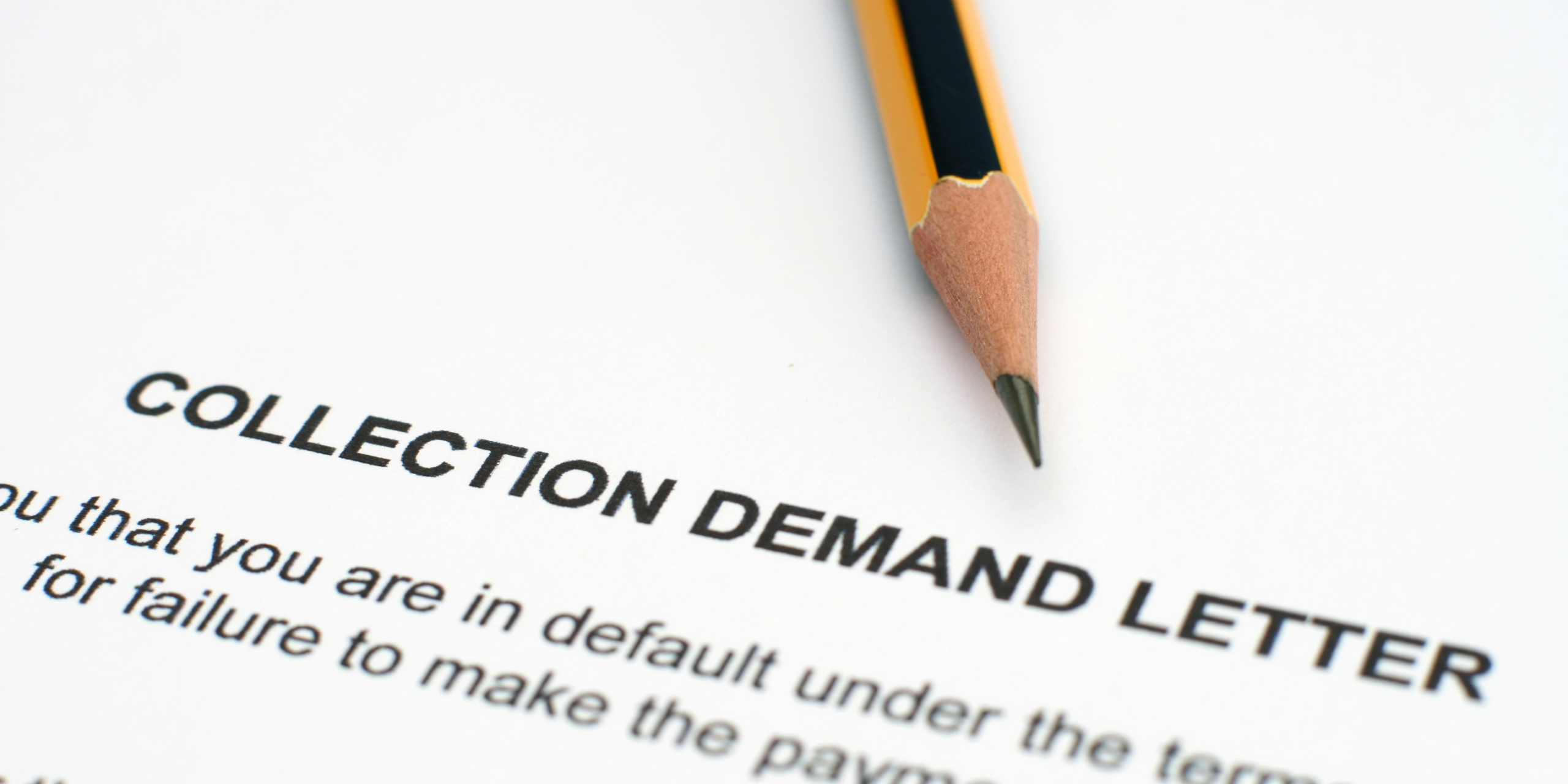
A demand letter is a formal, written communication sent to an opposing party outlining a specific legal dispute and requesting a particular resolution, usually the payment of money or the correction of defective work. It serves as a final warning that legal action will follow if the demands are not met by a specified deadline.
For contractors, a well-crafted demand letter details the nature of the dispute, references the original agreement, and clearly states the legal entitlement to the requested remedy. Rather than a simple collection notice, it is a comprehensive summary of your legal position, backed by evidence.
Construction disputes take many forms, but a demand letter is highly effective across a variety of common situations contractors face.
f you have properly filed a mechanic’s lien against a property due to non-payment, enforcing that lien typically requires filing a lawsuit to foreclose on the property. Sending a formal demand letter prior to filing the foreclosure suit gives the property owner or general contractor one last chance to clear the debt. It demonstrates that you are serious about protecting your financial interests and are fully prepared to exercise your lien rights.
Mechanic’s lien laws feature incredibly strict, state-specific statutory deadlines. If you miss a filing deadline or fail to send the required preliminary notice, your lien rights may be extinguished. However, missing a lien deadline does not mean you forfeit your right to be paid. You still have a valid contract with the party that hired you. A demand letter is the perfect vehicle to assert a breach of contract or unjust enrichment claim. It clearly communicates that while the lien remedy may no longer apply, you fully intend to pursue the unpaid balance through a contractual lawsuit.
General contractors rely on subcontractors to deliver quality work that meets project specifications. When a subcontractor performs defective work, you are often forced to hire a replacement to fix the mistakes, resulting in unexpected out-of-pocket costs. A demand letter allows you to formally notify the original subcontractor of their defective performance, document the financial damages you incurred to remedy the situation, and demand reimbursement before you take the matter before a judge.
Sending a demand letter is much more than a procedural formality. It provides several distinct advantages that can significantly influence the outcome of your dispute.
Judges maintain heavy caseloads and generally prefer that parties attempt to resolve their differences without court intervention. When you send a comprehensive demand letter before filing a lawsuit, you create a documented record of your willingness to settle. Providing the opposing party with a clear opportunity to correct their breach shows the court that you acted reasonably and in good faith. If the case proceeds to trial, establishing yourself as the reasonable party sets a positive tone for your entire argument.
Litigation is a significant investment, and winning a lawsuit often involves seeking the recovery of your attorney’s fees. Courts scrutinize requests for legal fees to ensure they are both reasonable and necessary. By presenting a demand letter that was ignored or rejected by the opposing party, you provide concrete evidence that litigation was unavoidable. The letter proves that the defendant forced you to incur legal expenses by refusing to resolve the matter privately, heavily supporting your request for the court to award you attorney’s fees.
Drafting a demand letter forces you to organize your case long before you draft a formal legal complaint. To clearly state why you are legally entitled to your demands, you must gather and review all relevant documentation. This includes the original contract, change orders, unpaid invoices, communication records, and photographic evidence of defective work. Outlining your arguments at this early stage helps you identify the strengths and potential weaknesses of your position, ensuring that you and your legal counsel are fully prepared for the road ahead.
At The Cromeens Law Firm, PLLC, we believe that we are partners with our clients. We recognize that managing a construction business presents enough daily challenges without the added stress of complex legal disputes. Our certified Texas law firm specializes in construction law and contract law, and we are dedicated to building relationships founded on trust and reliable support.
Whether you need to enforce a mechanic’s lien, recover funds for a breach of contract, or hold a subcontractor accountable for defective work, our expert attorneys are here to help. We adhere to the highest standards of ethical behavior and possess a proven track record for obtaining the best possible results. Protect your business and your bottom line by addressing disputes with precision and care. Contact us today for a consultation to draft a powerful demand letter that delivers results.
While any individual can technically write a demand letter, partnering with an experienced construction attorney is highly recommended. A letter drafted by a certified law firm carries significantly more weight and signals to the opposing party that you are prepared to litigate. Furthermore, an attorney ensures that your letter accurately reflects statutory laws, complies with any contractual notice requirements, and avoids statements that could inadvertently harm your case later.
If the deadline specified in the letter passes without a response or a satisfactory settlement offer, the next step is typically to file a formal lawsuit. Because you have already organized your evidence and outlined your legal arguments within the demand letter, your legal team can transition smoothly into the litigation phase.
A demand letter does not guarantee an out-of-court settlement, but it frequently facilitates one. Faced with a well-reasoned legal argument and the imminent threat of a lawsuit, many parties will choose to negotiate a settlement to avoid the time, expense, and public record of formal litigation.

Karalynn Cromeens is the Owner and Managing Partner of The Cromeens Law Firm, PLLC, with over 17 years of experience in construction, real estate, and business law. A published author and passionate advocate for contractors, she has dedicated her career to protecting the businesses her clients have built. Karalynn is on a mission to educate subcontractors on their legal rights, which inspired her books Quit Getting Screwed and Quit Getting Stiffed, as well as her podcast and The Subcontractor Institute.